

Groups don't die from external opposition. They die from internal dysfunction. If you don't understand what happens when people come together, you will be blindsided by the predictable crises that destroy most groups before they accomplish anything.
Opening Hook: A Group That Fell Apart
Think about a group, team, or organization you've been part of — one where things went wrong. Maybe the energy evaporated. Maybe conflicts exploded. Maybe people just quietly stopped showing up.

Group Failure Reflection
Tuckman's Five Stages of Group Development
Every group — every coalition, every campaign, every organization — moves through predictable stages. Bruce Tuckman identified five:

| Stage | What Happens | Leadership Needed |
|---|---|---|
| Forming | Excitement, politeness, anxiety. People are figuring out who's here and where they fit. Real disagreements are suppressed. | Provide clear structure, purpose, and expectations. Help people connect. Don't mistake politeness for alignment — the group hasn't actually agreed on anything yet. |
| Storming | Conflict emerges. Disagreements about direction, roles, decision-making, and power. Cliques form. People jockey for influence. Some leave. This is where most groups die. | THE MOST CRITICAL PHASE. Do not suppress conflict — facilitate it. Name it as normal. Create structures for productive disagreement. Apply rank/status and elite capture analysis. |
| Norming | The group resolves enough conflict to establish shared norms, roles, and processes. Trust builds. Communication improves. A genuine "we" begins to form. | Codify the norms. Write them down. Create accountability structures. Celebrate the breakthrough. But stay vigilant — groups can slip back into Storming. |
| Performing | The group works effectively. Members know their roles, trust each other, and can handle disagreement without crisis. Strategic focus replaces interpersonal drama. | Get out of the way. Distribute leadership. Focus on external strategy, not internal management. The group is ready for Power & Resource Mapping. |
| Adjourning | The campaign ends, the project concludes, or the group disbands. This stage is often ignored, leading to unprocessed grief, resentment, or confusion. | Name the ending. Celebrate what was accomplished. Process what was learned. Help members find their next step. |
Deep Dive: The Storming Phase
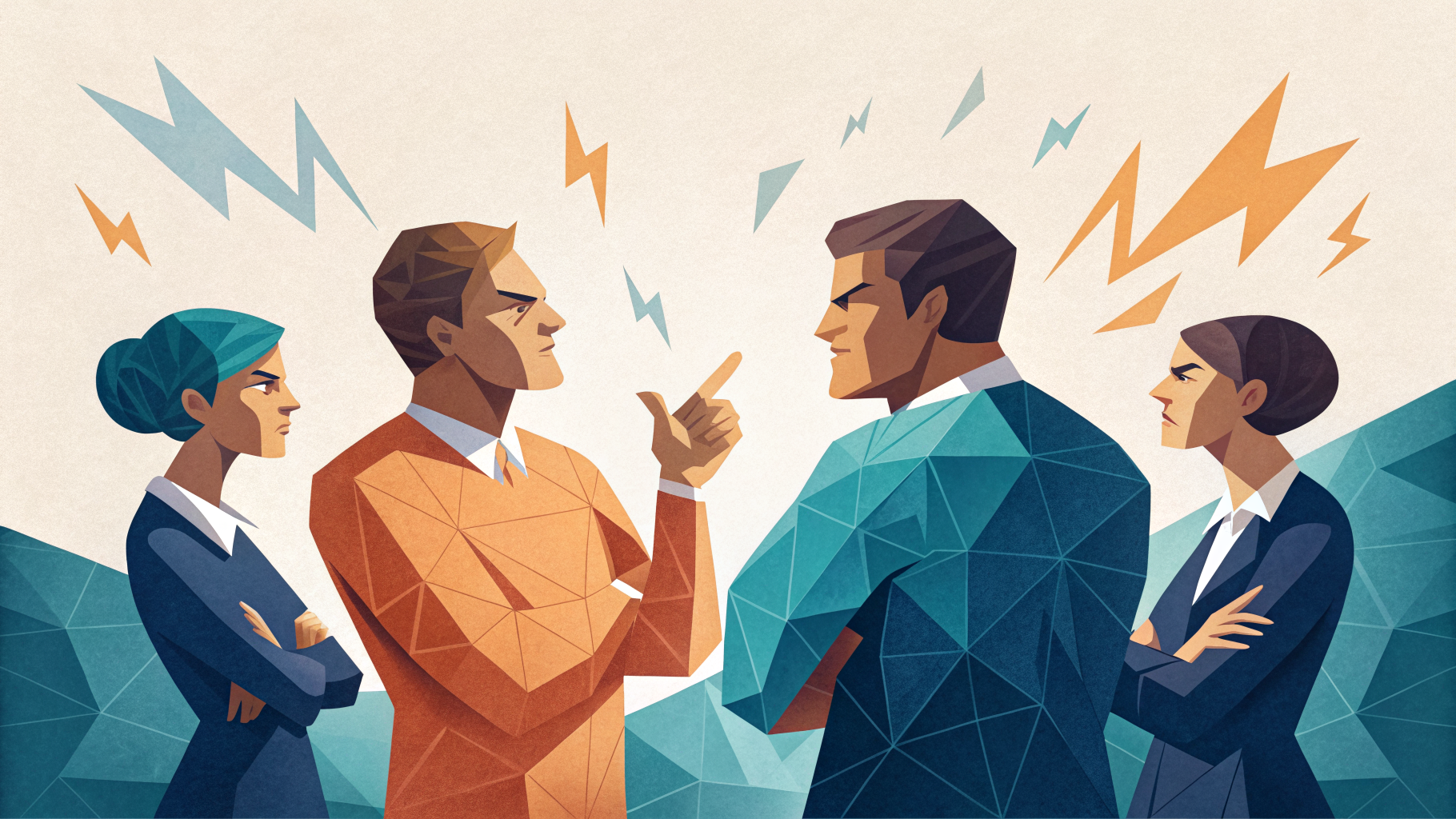
The Storming phase deserves extended treatment because it is where most activist organizations fail. The conflicts that emerge during Storming are predictable:
- Direction conflicts: We agree the problem is bad, but we disagree on the strategy. Do we lobby or protest? Do we focus on one issue or many?
- Role conflicts: Who is in charge? Who gets to make decisions? Who does the visible work and who does the invisible work?
- Identity conflicts: Whose experiences are centered? Whose voices are loudest? Is the organization's culture welcoming to everyone, or only to some?
- Power conflicts: The rank/status gap from Foundations of Power is most visible here. People with formal roles may lack cultural authority. People with cultural status may dominate without formal roles. The formal and informal power networks diverge. Elite capture begins.
Navigating Storming: Five Principles
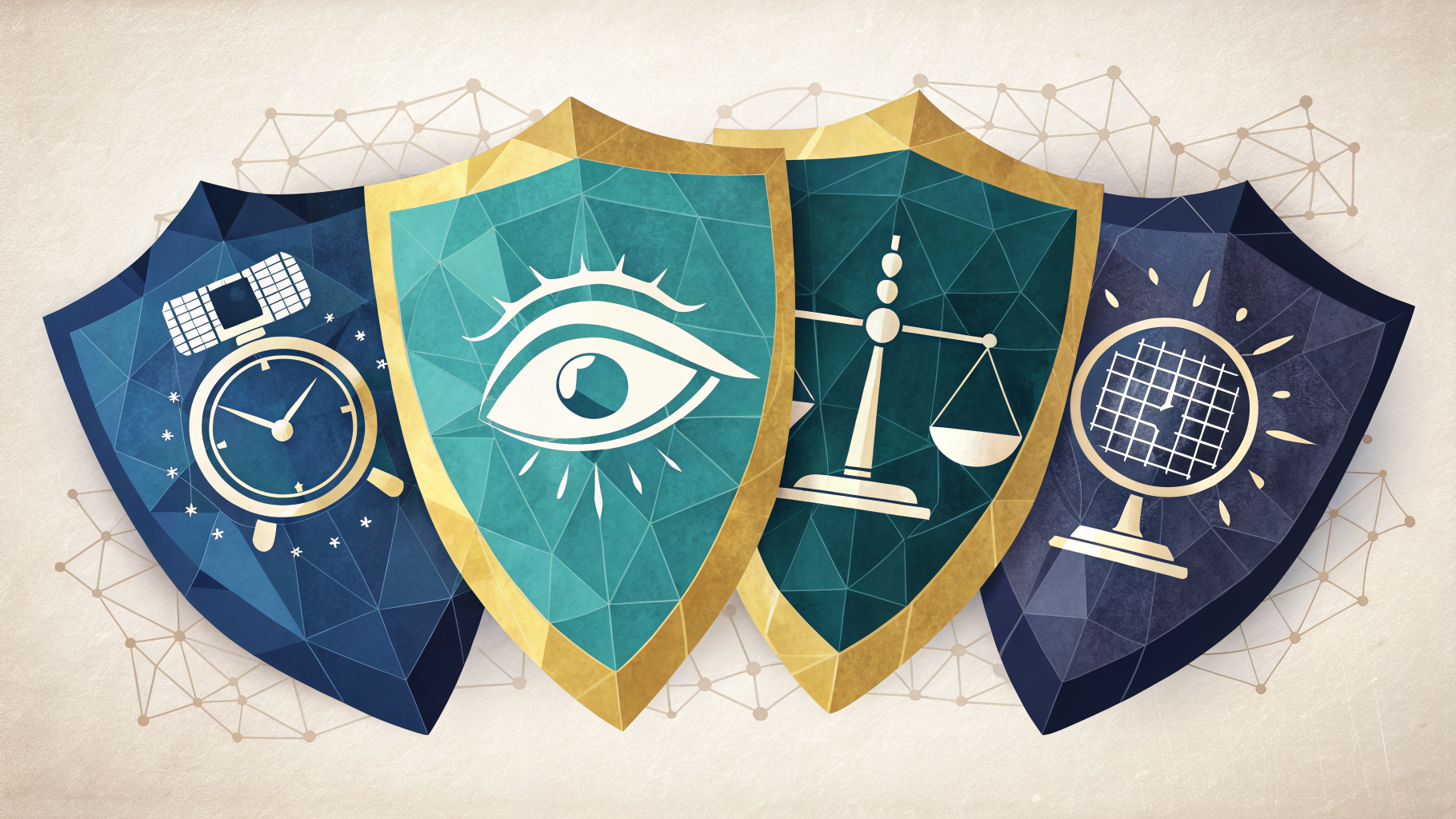
Storming is not a sign that your group is failing. It is a predictable, necessary stage of development. Every group that has ever built real power has passed through it. The question is not whether Storming happens — it's whether you navigate it. These five principles are your toolkit for surviving (and growing through) the storm.
| Principle | What To Do | Why It Matters |
|---|---|---|
| 1. Name It | Tell the group explicitly: "We are in the Storming phase. This is normal. This is not a sign that we are failing — it is a sign that we are developing." | Naming the stage reduces anxiety by about 50%. People stop thinking "this group is falling apart" and start thinking "this is a phase we need to navigate." |
| 2. Create Structures for Conflict | Don't let disagreement happen in hallways and group chats. Create formal spaces: facilitated discussions with ground rules, structured decision-making processes like modified consensus or fist-to-five, conflict resolution protocols that everyone agrees to before the conflict happens. | Unstructured conflict becomes personal. Structured conflict becomes productive. The difference is whether you have a container for it. |
| 3. Surface the Hidden Dynamics | Apply the Foundations of Power tools: Who has rank? Who has status? Where do the formal roles and the informal influence diverge? Is anyone's voice being systematically amplified or suppressed? Is there elite capture happening? Name these dynamics explicitly. | Hidden power dynamics are the #1 cause of group collapse. You cannot navigate what you refuse to see. Naming dynamics is uncomfortable — and essential. |
| 4. Distinguish Disagreement from Dysfunction | Healthy disagreement about strategy is productive — it makes the strategy better. Personal attacks, gatekeeping, information-hoarding, and passive-aggressive withdrawal are not disagreement — they are dysfunction. The facilitator's job is to protect the space for the former and interrupt the latter. | Many groups suppress ALL conflict because they can't tell the difference between healthy tension and toxic behavior. Learning this distinction saves organizations. |
| 5. Don't Rush Through It | The Storming phase cannot be skipped. If you suppress it, it will return — usually in the middle of a campaign when you can least afford it. Better to have the hard conversations now, while the stakes are lower and the group has time to recover. | Groups that rush through Storming build on a foundation of suppressed resentment. The unresolved conflicts will explode later, at the worst possible moment. |
Interactive Exercise: Diagnose Your Group
Apply Tuckman's framework to a real group you are part of or want to build.
Tuckman's Diagnostic
Power Dynamics in the Storming Phase
Now apply the Foundations of Power frameworks — not to external systems, but to the internal dynamics of your group.
Internal Power Analysis
Apply the Foundations of Power frameworks to the internal dynamics of a group you're part of. This is about your own organization, not the systems you're fighting.
Rank vs. Status
0 words Rank vs. Status
Formal vs. Informal Networks
0 words Formal vs. Informal Networks
Elite Capture
0 words Elite Capture
The Student Nonviolent Coordinating Committee (SNCC) is one of the most powerful examples of the Storming phase in movement history. Founded in 1960 with Ella Baker's support, SNCC was built on distributed leadership and grassroots organizing across the South.
By 1964, SNCC entered a prolonged Storming phase. The conflicts were exactly the types Tuckman's model predicts: direction conflicts (nonviolence vs. self-defense), identity conflicts (the role of white volunteers after Freedom Summer), and power conflicts (who spoke for the organization). SNCC had immense cultural status but had never fully codified its decision-making processes.
The organization never fully navigated through Storming. By 1966, the unresolved conflicts led to a leadership shift, the departure of many founding members, and ultimately the organization's decline. The lesson: even the most powerful organizing infrastructure can be destroyed by unmanaged internal dynamics. The tools in this module exist because SNCC's experience — and countless others like it — shows what happens when groups don't have them.
Reflection & Integration
Module Reflection

The group dynamics skills in this module are foundational to the Political Education & Group Learning school in Section III. That school goes much deeper into ongoing group development, facilitation, and collective analysis. If the Storming exercise resonated with you, that school is your next step.
Political Education & Group Learning